
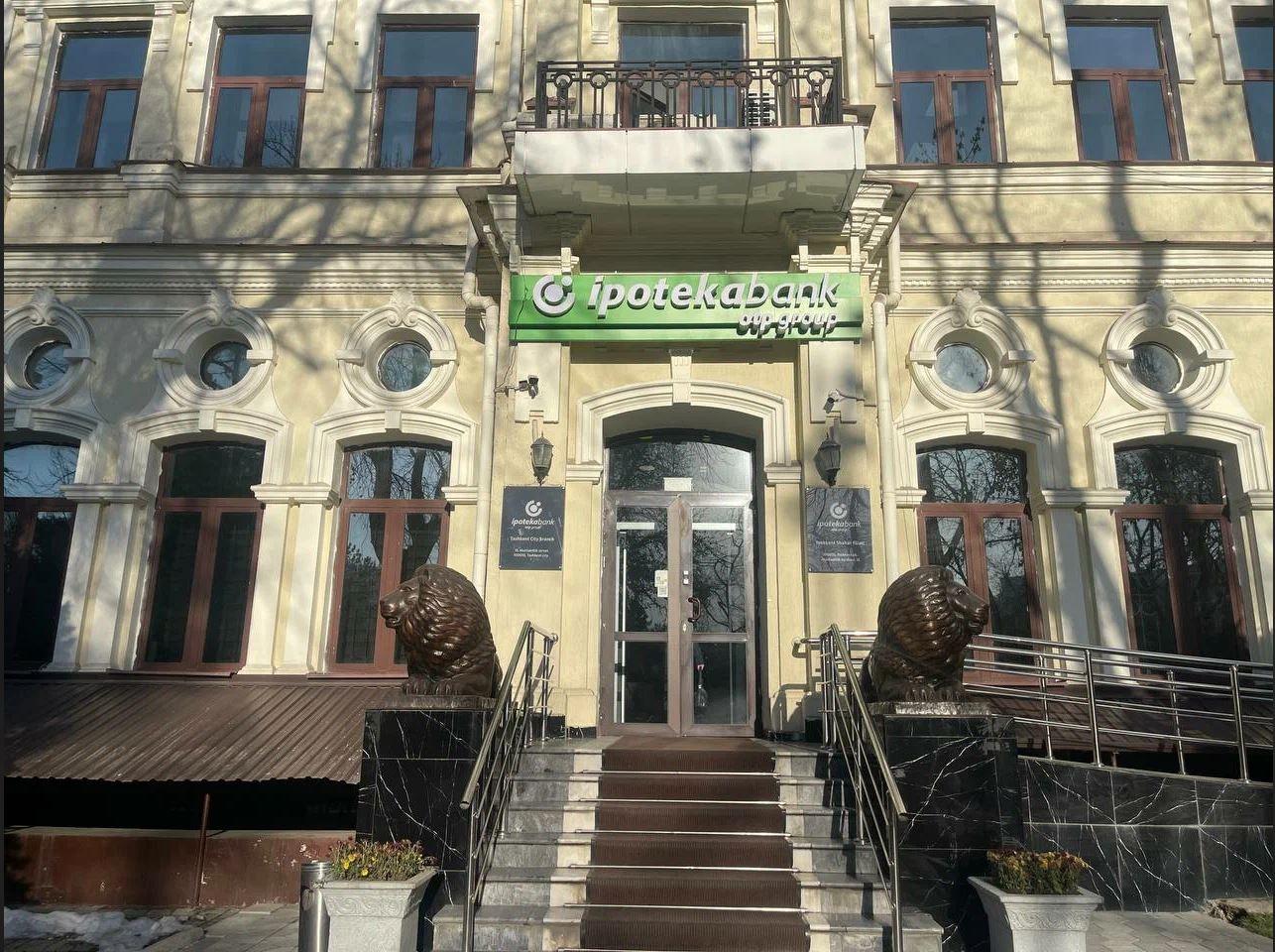
The botanist and pharmacist Hieronymus Ivanovich Krause arrived in Tashkent in 1870 and began working as a pharmacist. At the same time, he studied the region’s useful plants. To adapt them to the Tashkent climate, he collected more than 300 species of wild plants from the mountains and other areas and opened the first botanical garden on the banks of the Anhor Canal. Krause was an active member of the Imperial Society of Natural Science, Anthropology, and Ethnography Enthusiasts. His work was diverse, and until his death in 1909, he remained one of Tashkent’s most prominent figures.
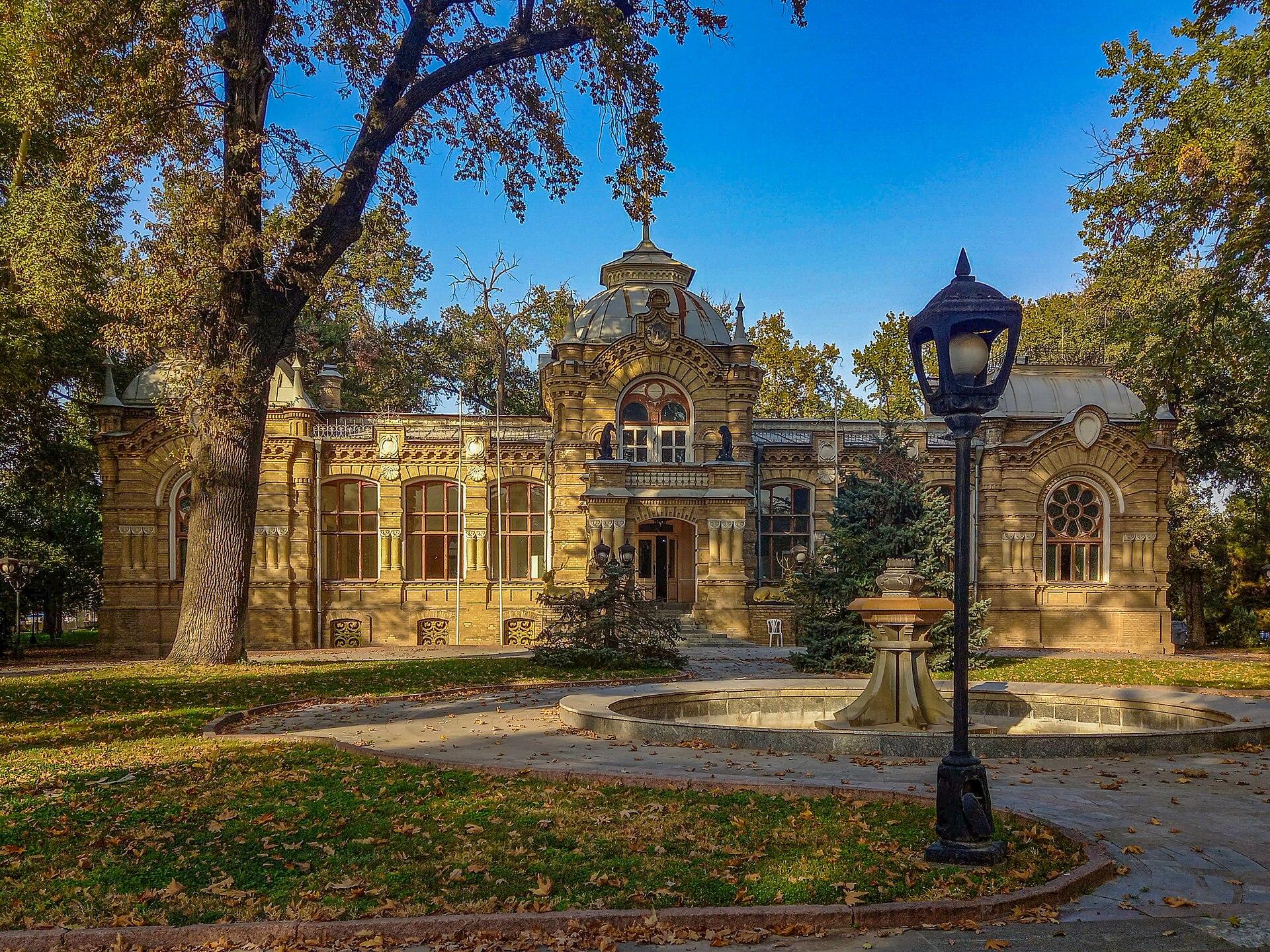
In 1906, at Krause’s request, the famous architect
Georgy Svarichevsky built a beautiful two-story pharmacy building at the
intersection of Pushkin and Kuropatkin Streets (now Mustaqillik and
Shahrisabz). After Krause’s death, the pharmacy was purchased by a pharmacist
named Kaplan. Thus, it became known among Tashkent residents as the “Kaplan
Pharmacy,” and it was mentioned in pre-revolutionary directories.
In the 1920s, the building housed the Central
Executive Committee of the Uzbek SSR. In the 1930s, a third floor was added,
giving the structure a more formal and official appearance. Later, it was
occupied by the Ministry of Public Education of Uzbekistan, and subsequently by
the Institute of Marxism-Leninism.
In the years of independence, the building was
transferred to the use of Ipoteka Bank. Statues of lions were installed at the
entrance. The bank expanded the building along Pushkin Street (renamed
Mustaqillik Street in 2009), maintaining the same recognizable architectural
style with circular windows. The bank continuously preserves the building’s
elegant exterior, and it remains one of Tashkent’s few surviving historic
buildings, adorning the intersection of Mustaqillik and Shahrisabz Streets
(formerly Pervomayskaya, and earlier Kuropatkinskaya).
Near the bank, along the pedestrian walkway on
Shahrisabz Street, grows an ancient oak tree — too large to be encircled by
hand — which has witnessed the transformations of one of Tashkent’s most
beautiful buildings.
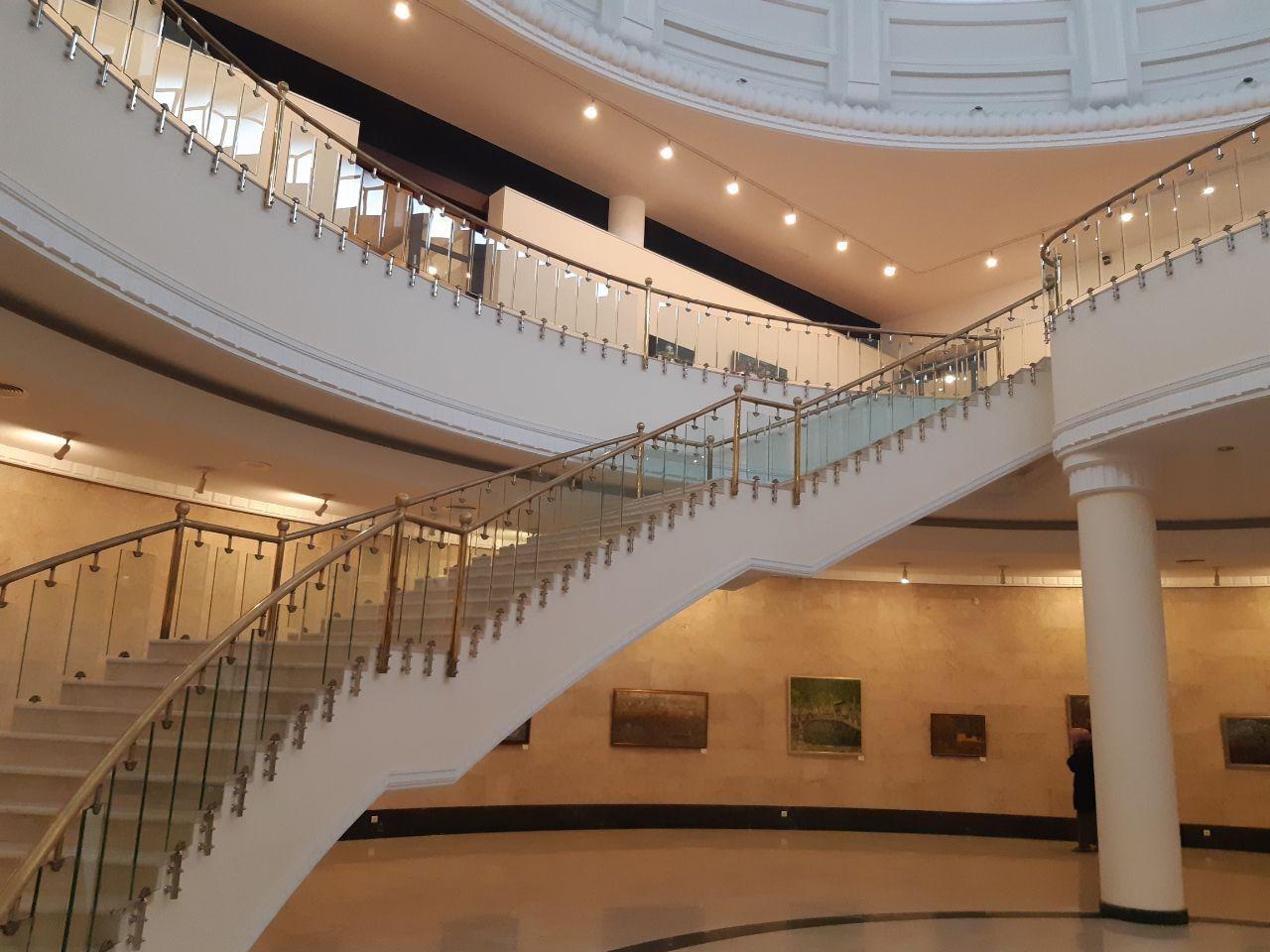
In 2004, next to the palace of the Grand Duke, the National Bank for Foreign Economic Activity con...
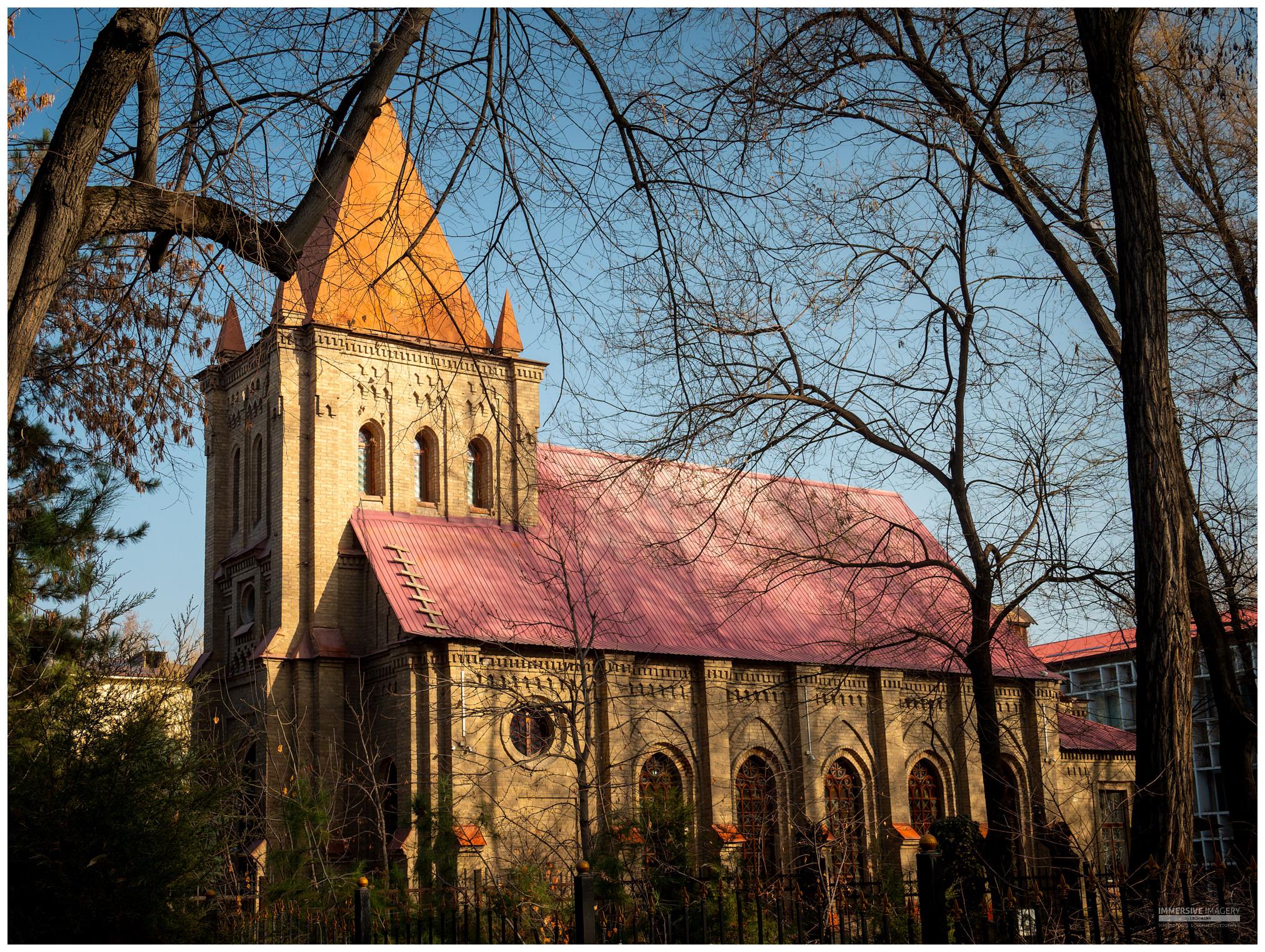
The Tashkent Kirche is considered the first Lutheran church in Central Asia. The initial design of ...
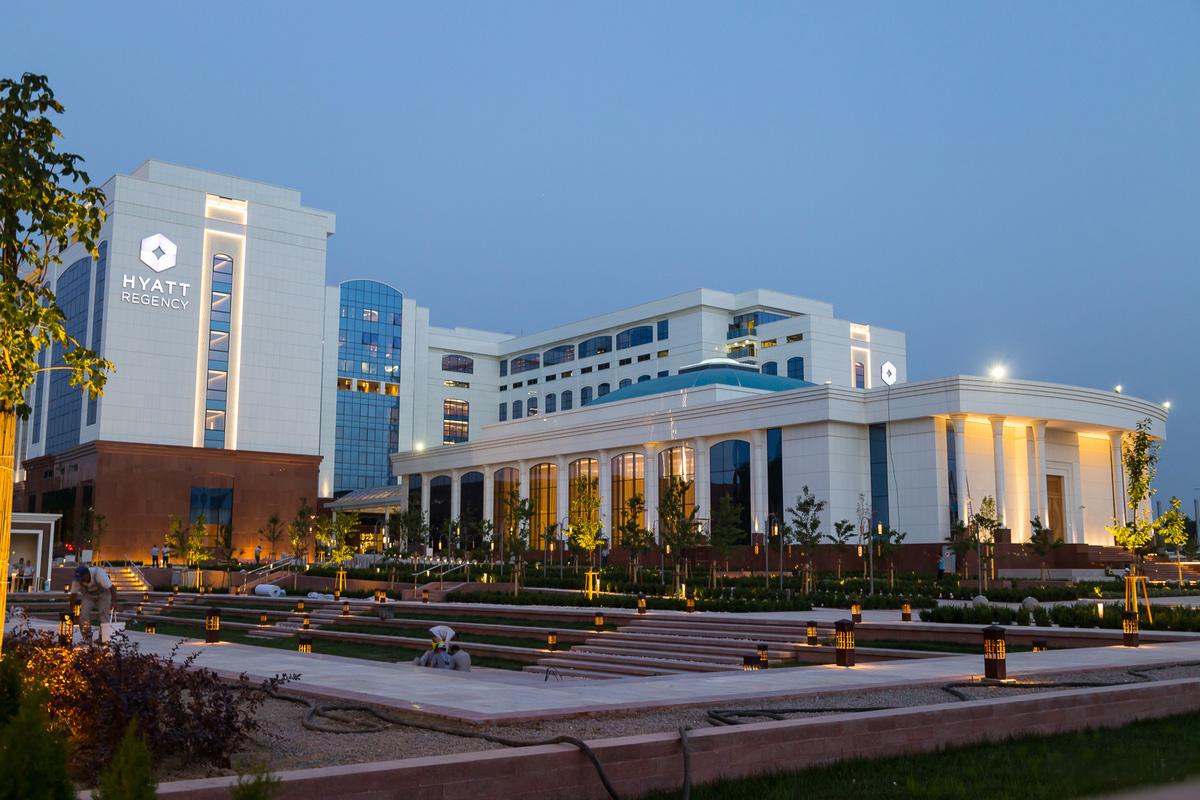
In 2012, the Tashkent administration and Hyatt International signed an agreement for the construct...
Buildings constructed in the European Art Nouveau style in Tashkent can be counted on one hand—all...