
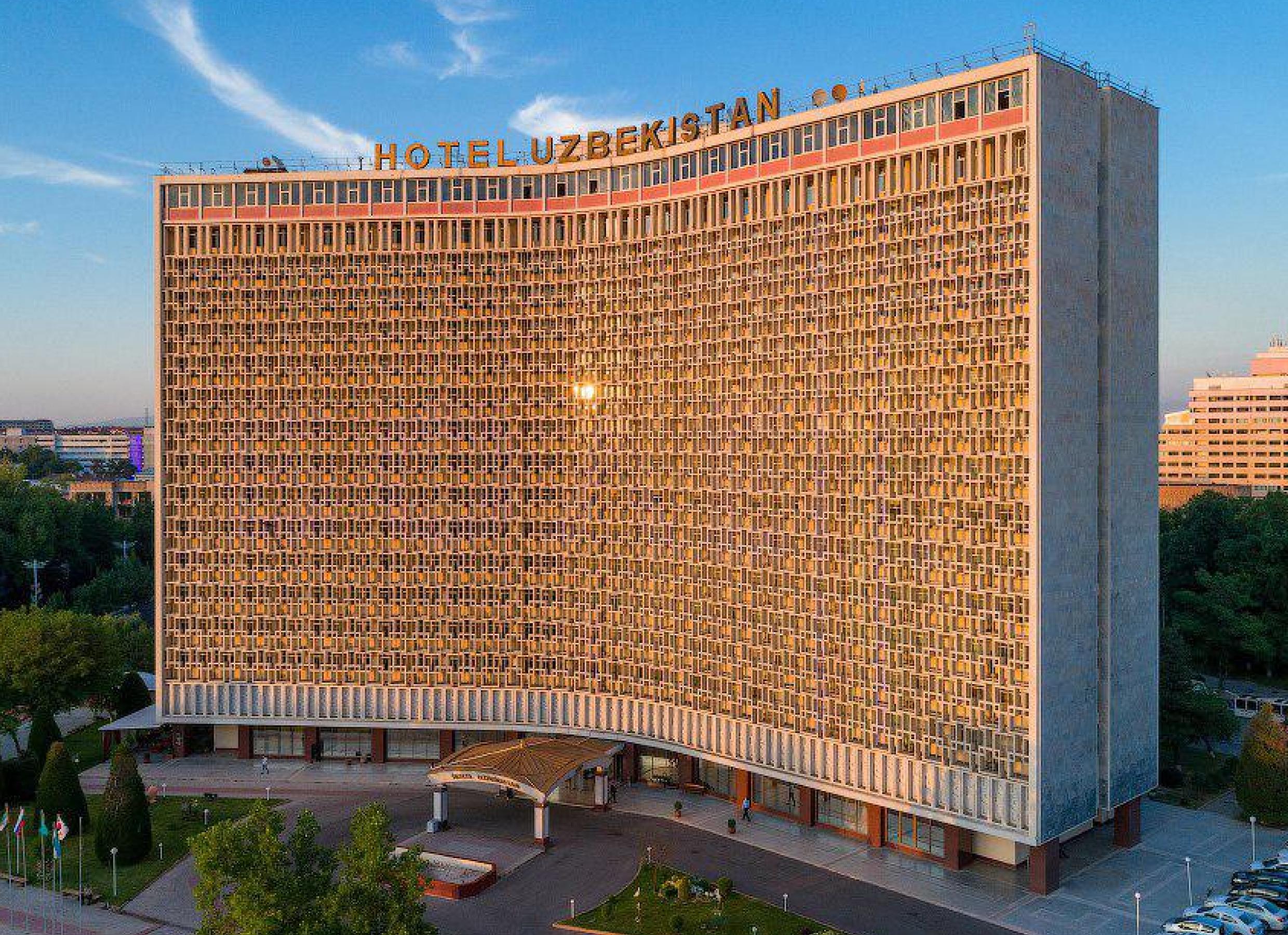
The 17-story “Uzbekistan”
Hotel is one of the capital’s most recognizable symbols. Located in the very
heart of the city, it resembles a book opened toward Amir Timur Square.
At the time of its
opening in 1974, it was one of the largest and most luxurious hotels in Central
Asia. “Uzbekistan” became a symbol of progress and technological achievements
of its era. The building’s architectural appearance, with smooth lines and strict
modernist forms, reflects the aesthetics of Soviet modernism and the spirit of
the Eastern Bloc in the 1970s.
The facade is adorned
with rectangular concrete panels serving as sunshade screens. Their rhythmic
pattern has become an integral part of the hotel’s image and one of the first
examples of such solutions in Tashkent. Later, this technique became widespread
and associated with traditional Uzbek ornament — panjaroy.
The building does not
“overwhelm” the square’s space but seems to float above it — a successful
solution by the project authors: architects I. A. Merport, L. I. Yershov, and
V. S. Roshchupkin.
After opening, the hotel
organically integrated into the square’s ensemble, neighboring the old
university buildings and the Clock Tower. Later, the ensemble was joined by the
Timurid History Museum, a second clock tower, and the Palace of Forums, yet the
“Uzbekistan” Hotel still dominates the city center’s panorama.
Tashkent residents
affectionately call it “Uzbekistanka” — this name has become a familiar
landmark for taxi drivers and locals. In the evenings, the facade lights up
with festive illumination, emphasizing its expressive silhouette.
The hotel has 223 rooms,
two restaurants, a bar, conference halls, and a meeting room. The top floor
features a gym, sauna, and beauty salon. The hotel restaurant is famous for its
lavish celebrations — generations of Tashkent residents mark weddings and
anniversaries here.
During the years of
independence, the building was reconstructed: a canopy was added to the
entrance, which, though practical, slightly disrupts the monumental harmony of
the original design.
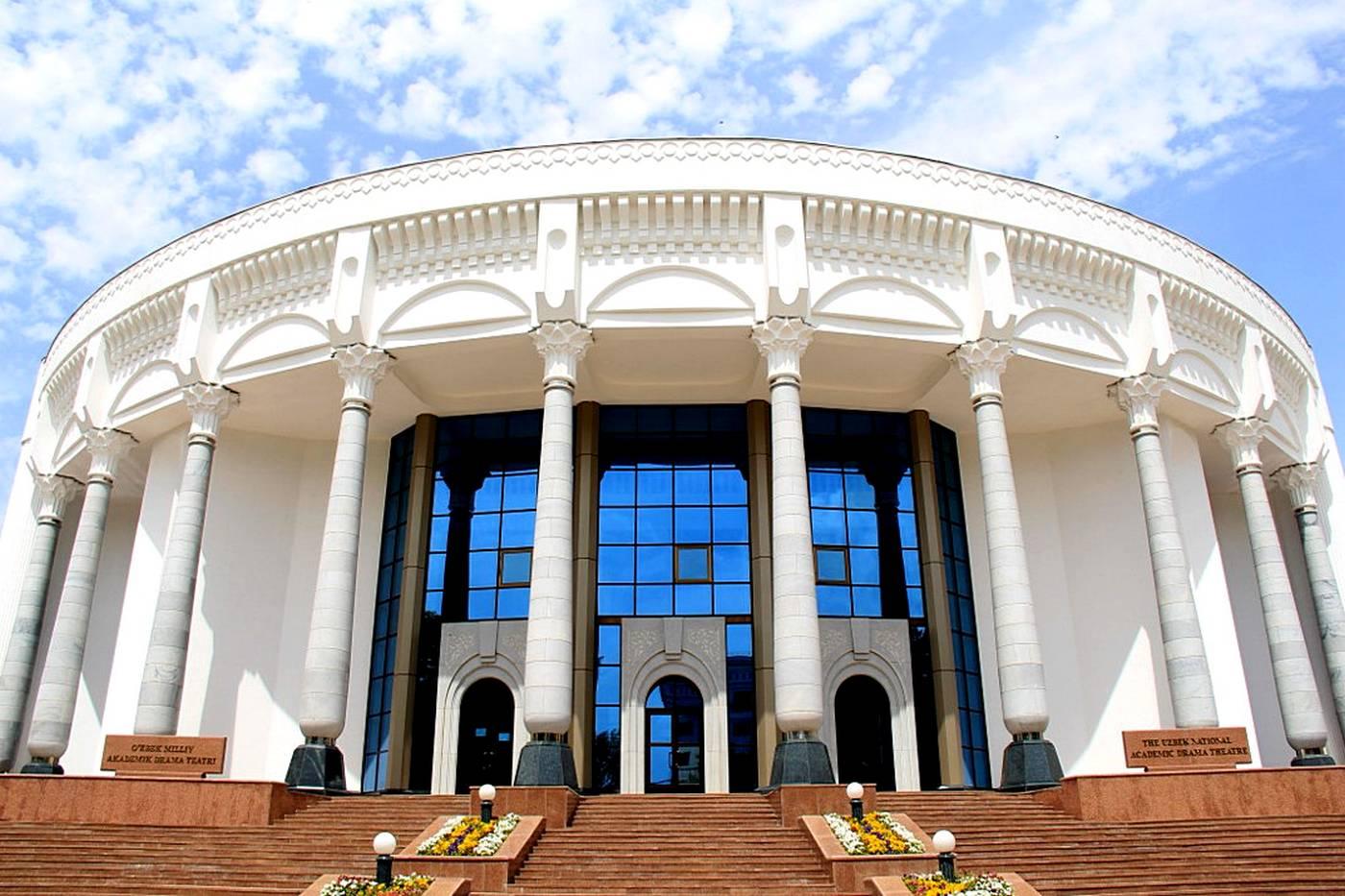
One of the first buildings on the planned Navoi Avenue was the “Rodina” (“Vatan”) cinema. It appear...
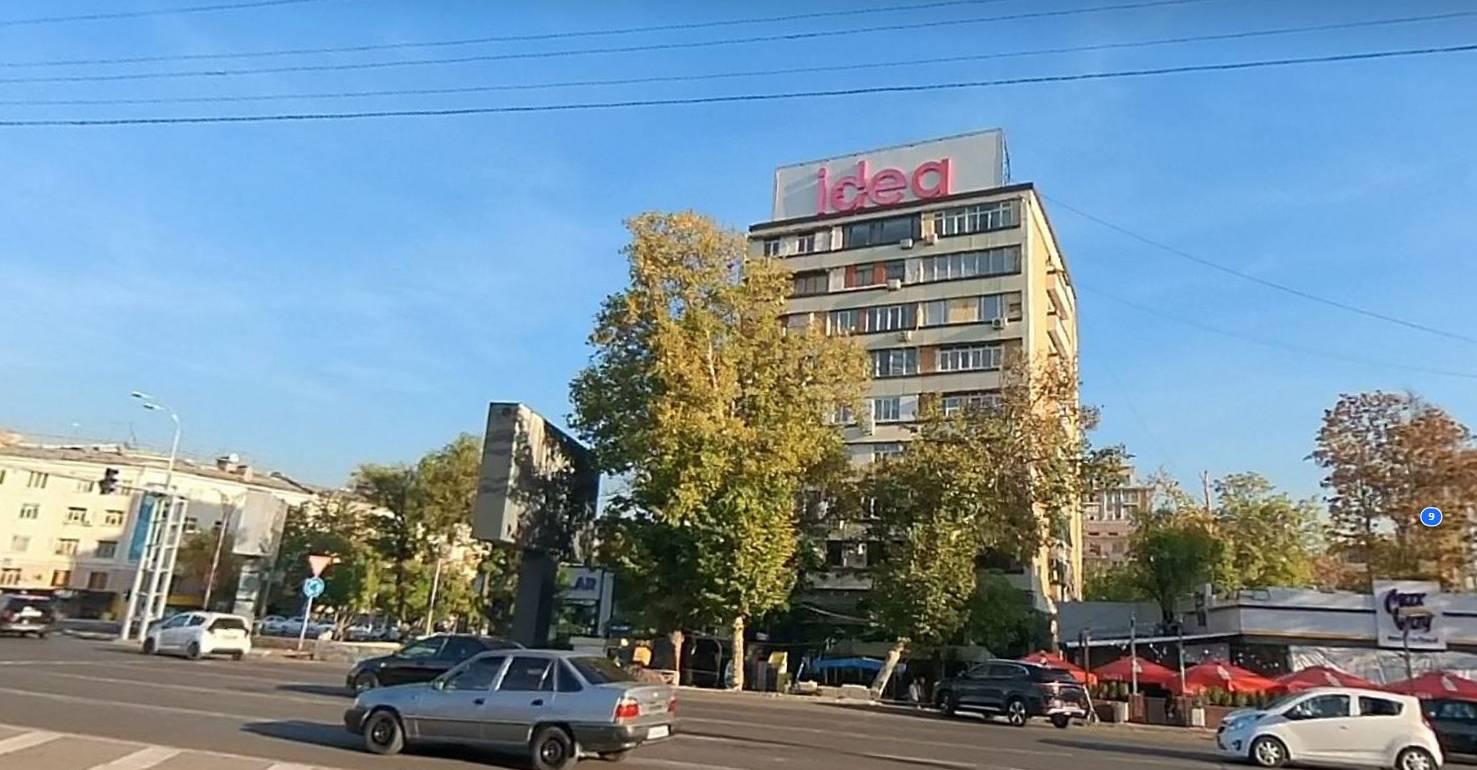
This was the first (or one of the very first) nine-story building in Tashkent. At the time, it caus...
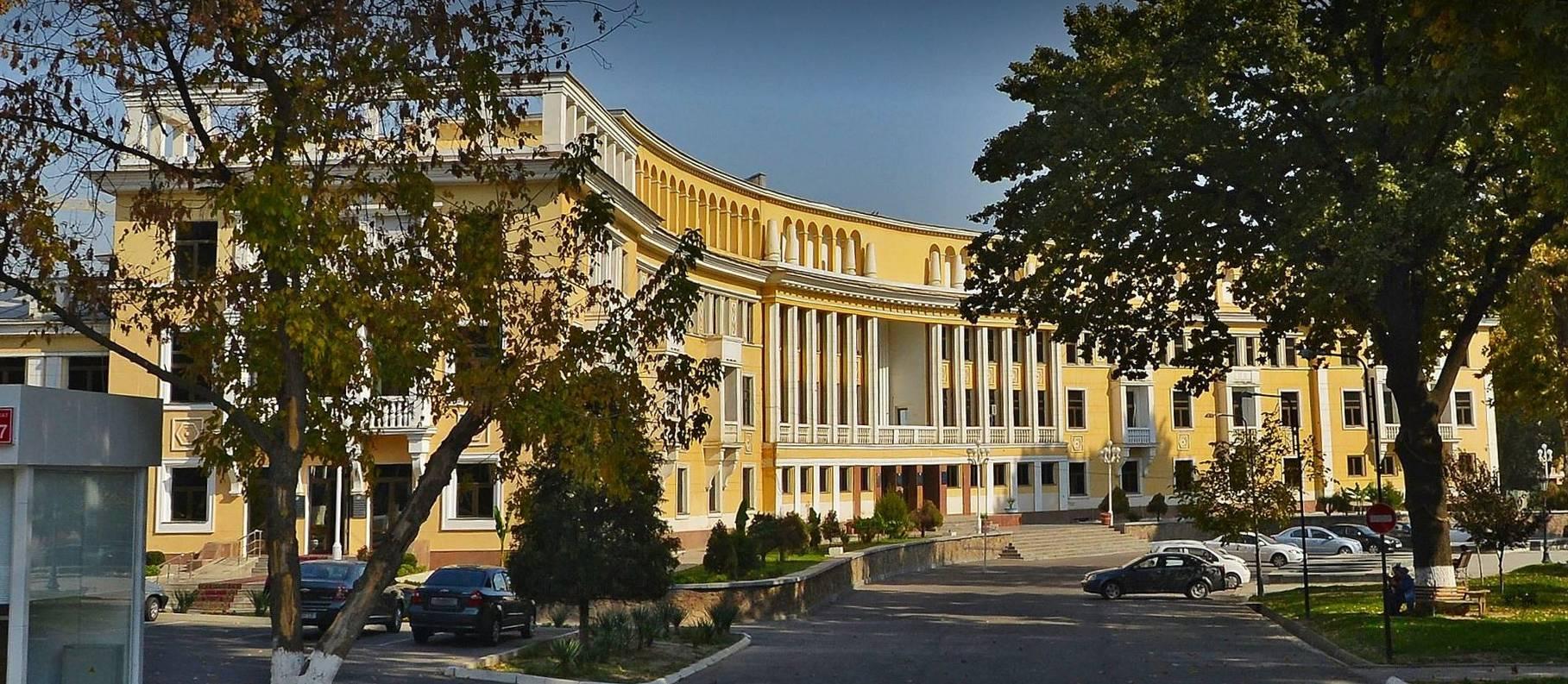
The beautiful building with a semi-circular facade was constructed in 1938 by Moscow architects A. ...
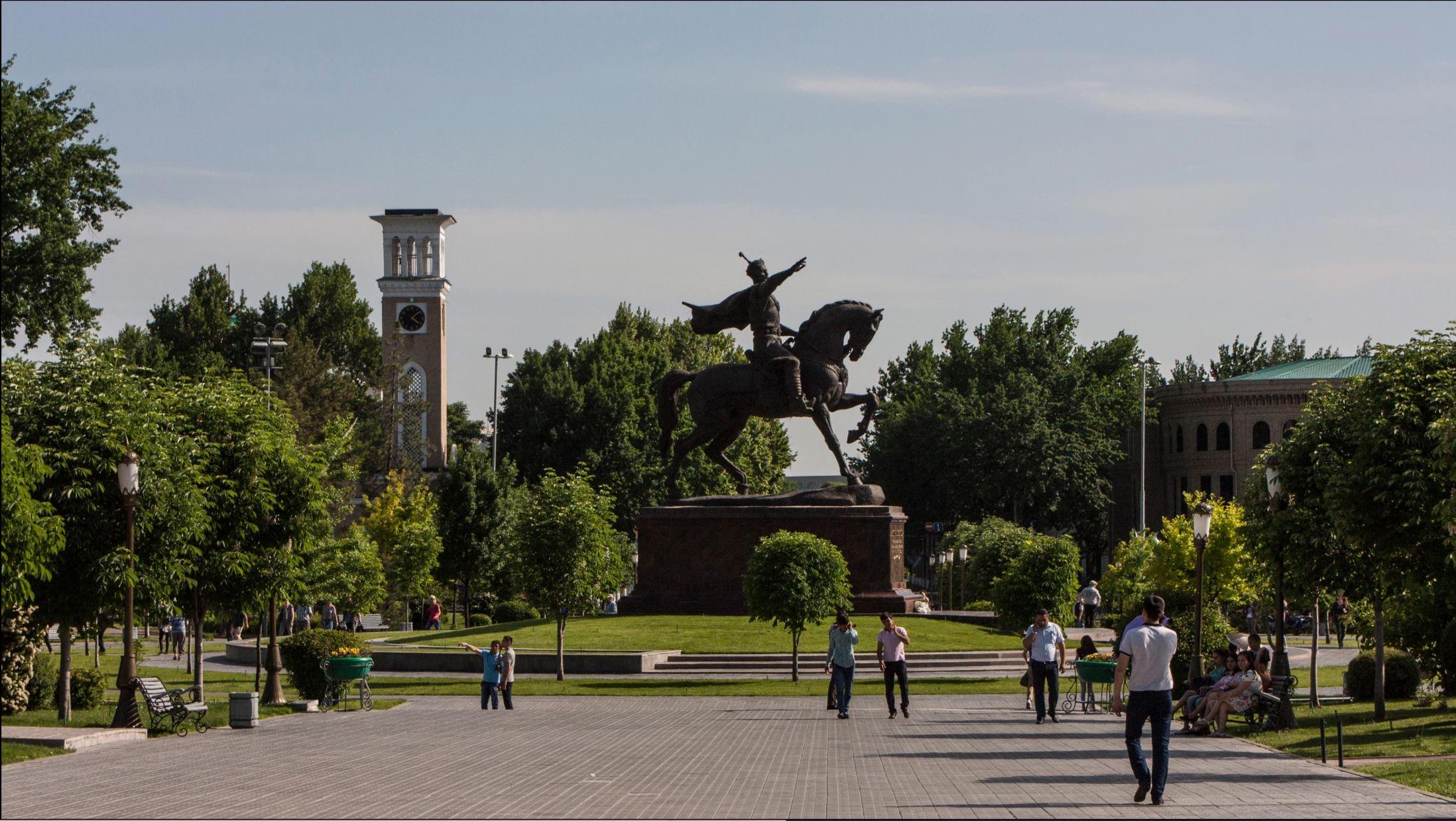
As you have already understood, Tamerlane's personality is very important for Uzbekistan, therefore,...