
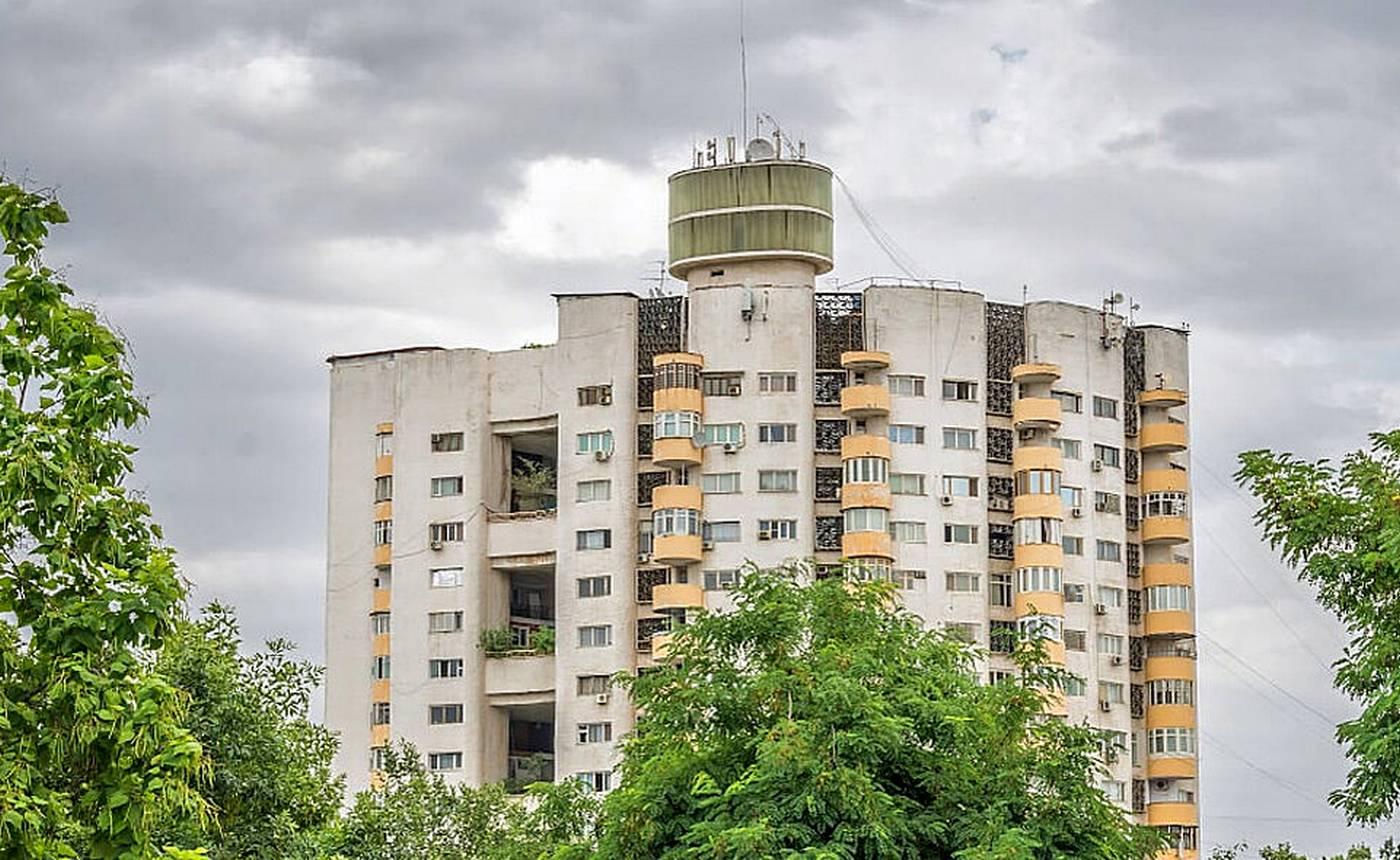
This unique 16-story monolithic concrete building was constructed in 1985 according to an experimental design by architect Ofeliya Petrovna Aydinova. The project itself had been created back in 1974, but approvals took many years — especially since Tashkent builders at the time had no prior experience constructing monolithic concrete high-rises.
The
uniqueness of “Zhemchug” lies in its internal terraces that unite three floors
at a time and connect the building’s two wings. These terraces were conceived
as a prototype of a mahalla — a communal space for socializing and social
functions, meant to compensate for people being detached from their usual
“ground-level” life. The terraces truly became lived-in: residents added
furniture, ayvans (verandas), children’s playgrounds, and decorative plants.
The
rounded shape of the wings provides excellent ventilation for the terraces —
they are constantly swept by wind, which is particularly important in the hot
climate.
At
one time, the roof featured a solarium and a swimming pool, while the basement
housed a laundry; these facilities are now closed. The building has no gas
supply — only electric stoves are installed. In total, there are 120 two- and
four-room apartments, served by two passenger elevators and one freight
elevator.
Unfortunately,
“Zhemchug” — a monument of Soviet modernism — remained one of a kind: the project
never went into serial production. Nevertheless, the building has been featured
in professional architectural publications and has become one of the points of
interest on tours of Tashkent.
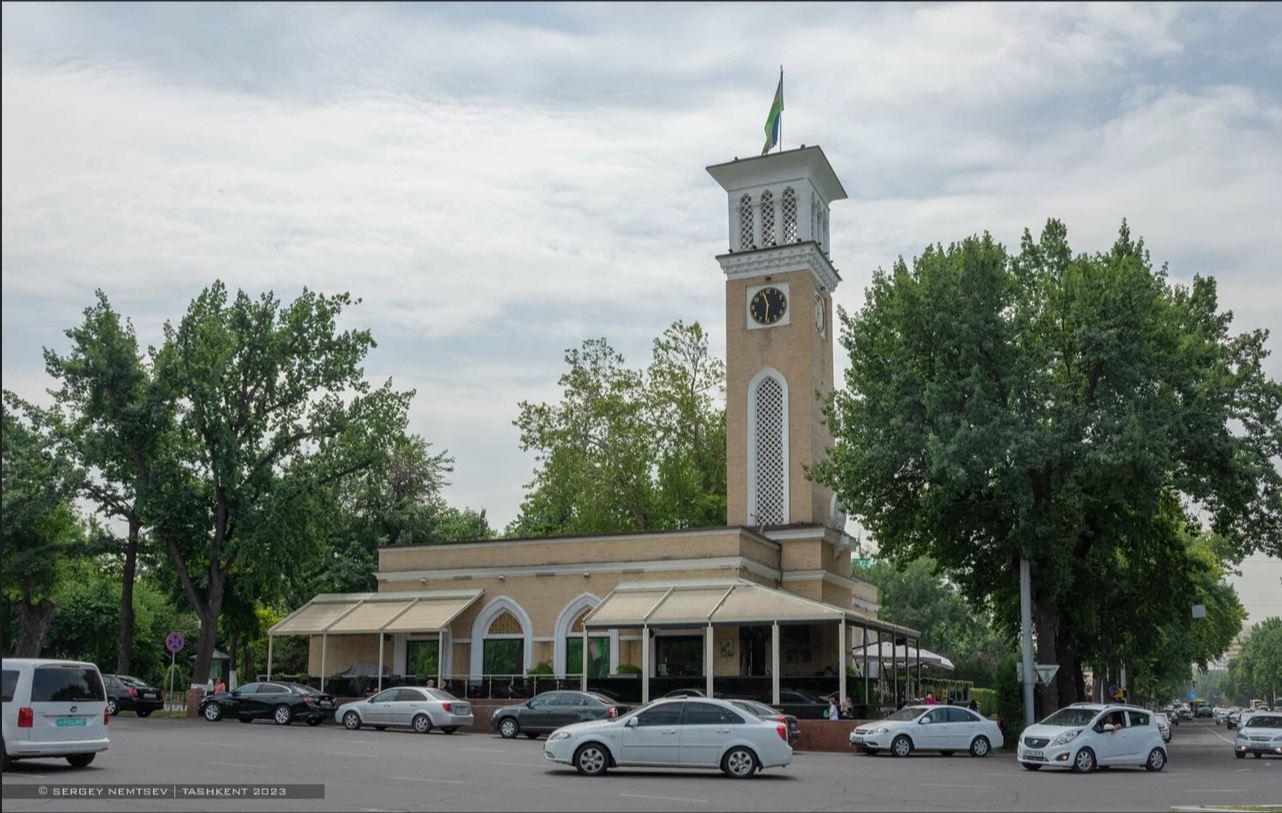
The chimes in the square are one of the capital’s landmarks. The clocks from a destroyed town hall ...
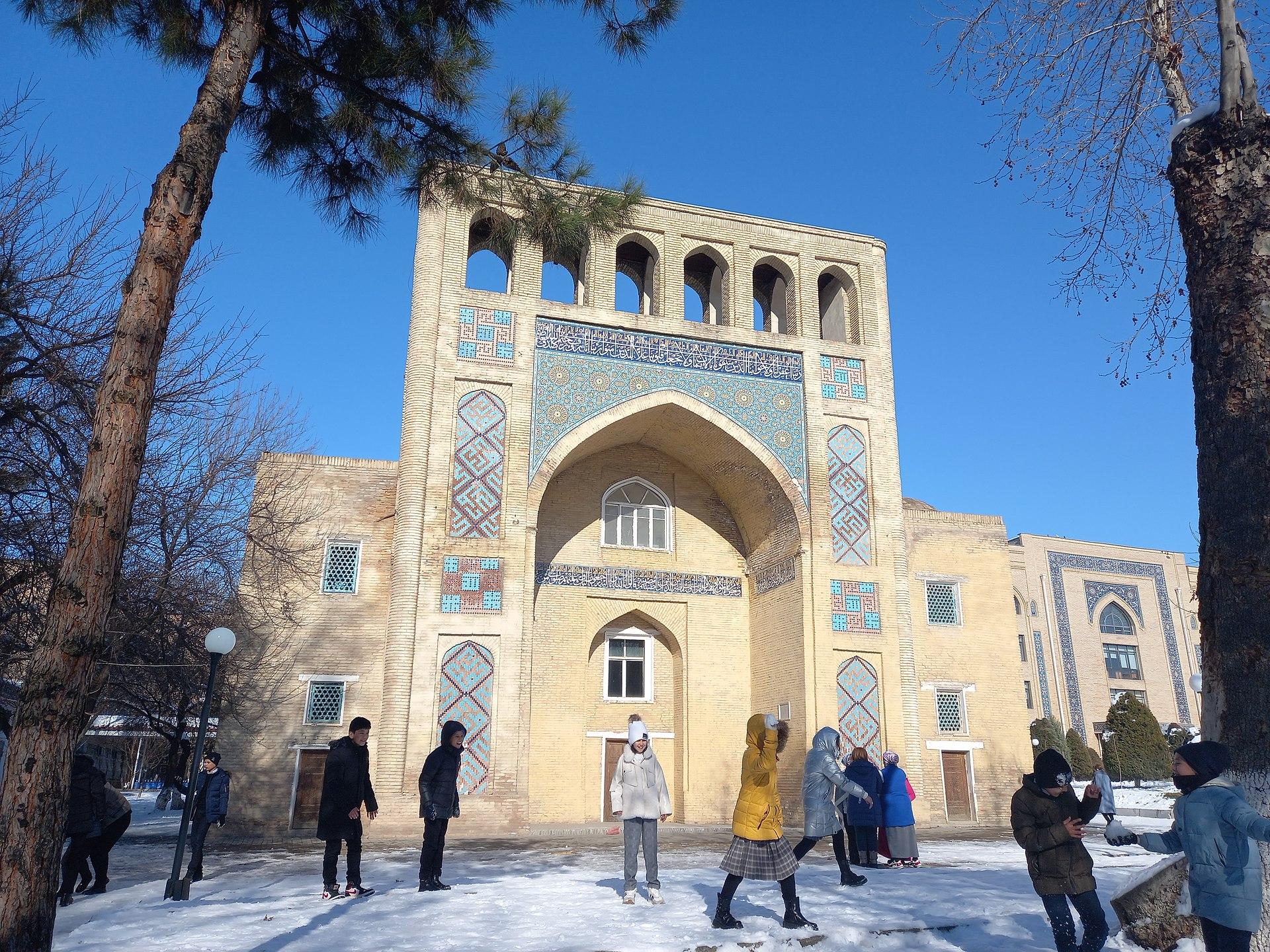
Yunus Khan of Moghulistan (1415-1487) was a gifted man and influential politician. He ruled over Ta...
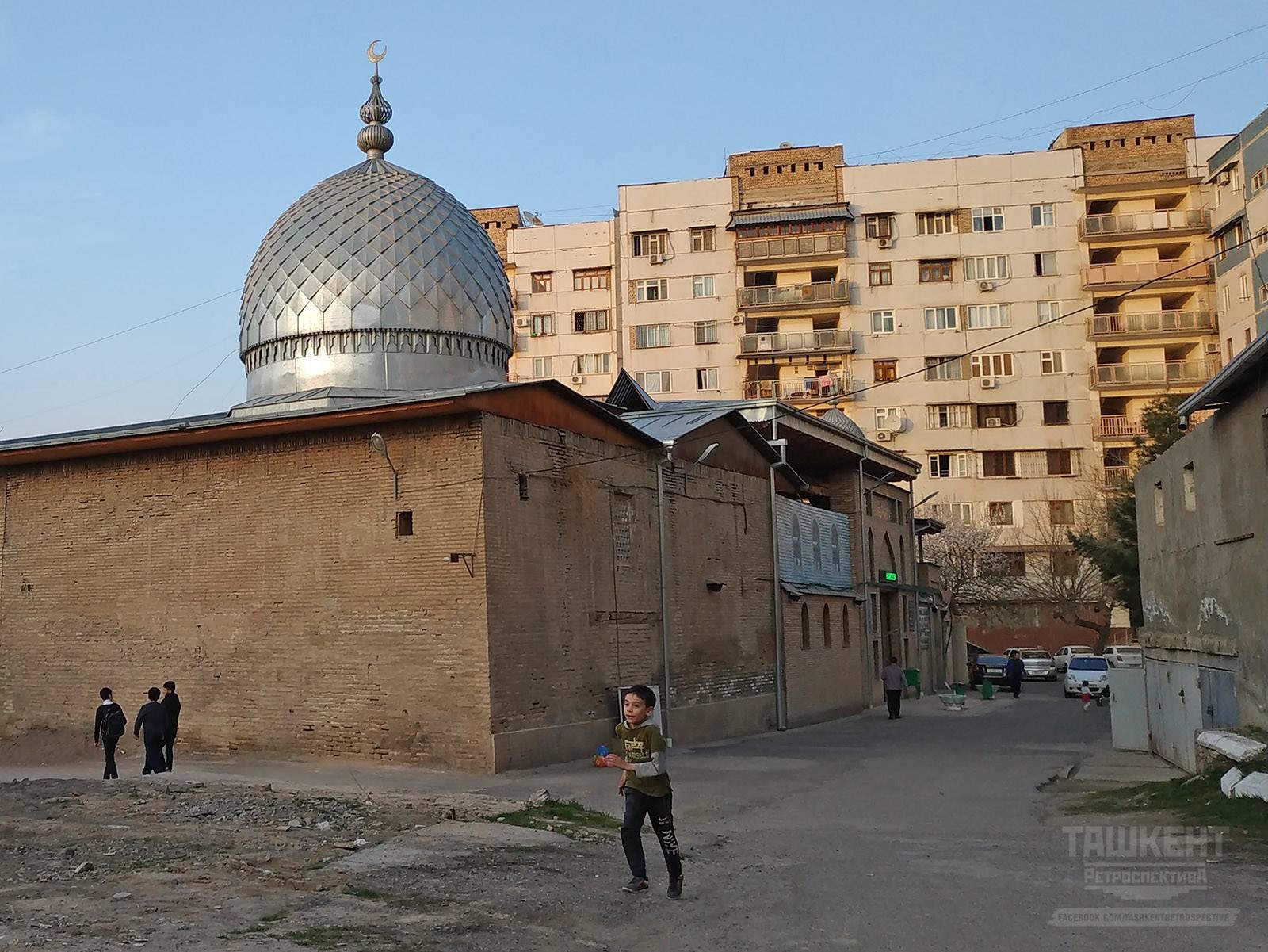
The mosque was built in the 15th century near the grave of the righteous Ukkosh on the ancient Sama...
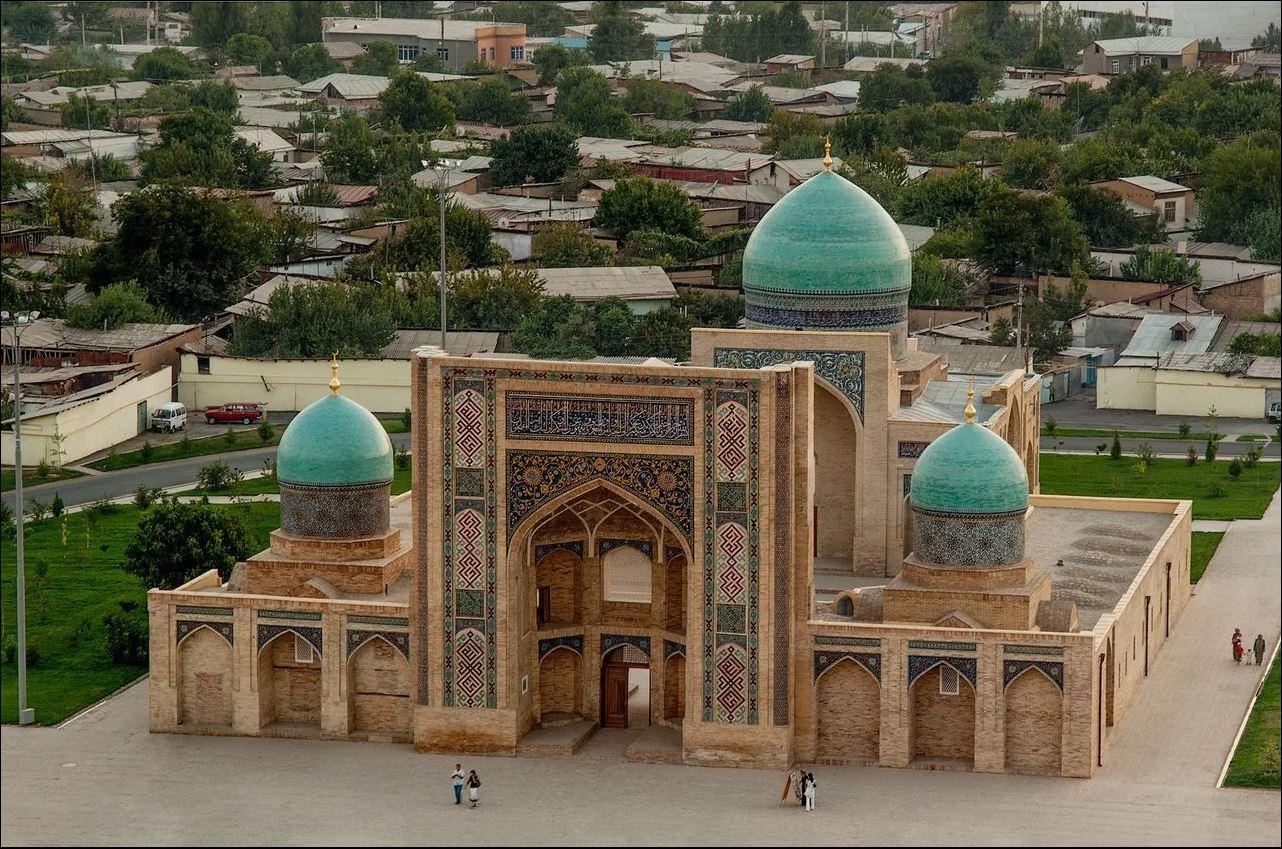
In 2007, the Hastimam or Hazrati Imam complex was opened in honor of the great theologian and schol...